

The Science Behind Filtering Your Shower Water
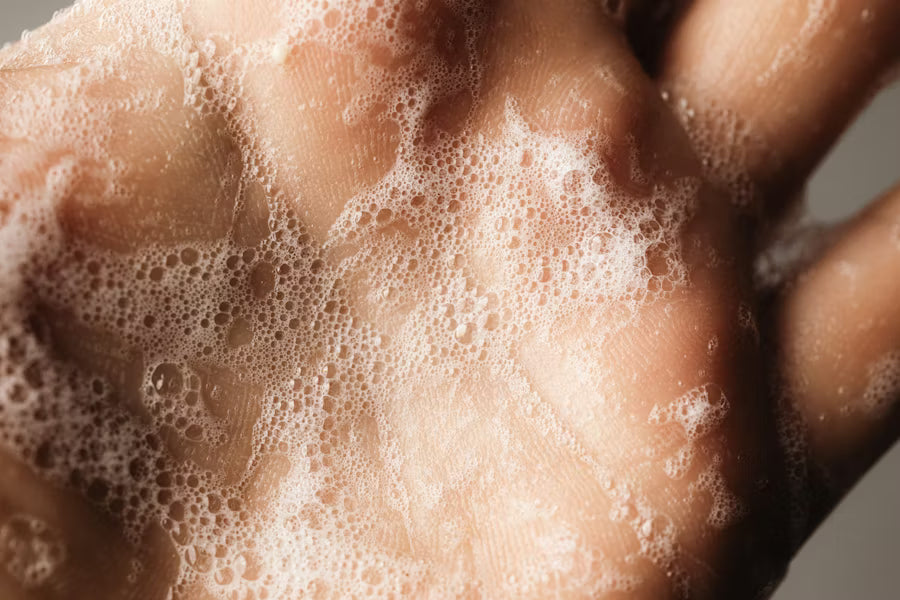
"Skin flare ups could be a symptom of contaminated shower water."
If you've been battling unexplained redness, itchiness, or persistent breakouts, your shower water may be more to blame than your skincare routine. Research shows that approximately 10–20% of people with eczema experience exacerbations due to chlorine exposure in shower water. Olympian Water Testing
"Unfiltered Water Changes How Your Products Work."
When metals in water interact with the oils on skin, they can convert them into a waxy substance that results in clogged pores, acne, blackheads, and irritation.
"Chlorine Accelerates Moisture Loss on Skin and Hair."
Chlorine is added to municipal water to kill harmful bacteria — that part is necessary. But what happens when it reaches your skin and hair is a different story. Chlorine strips natural oils that act as your body's built-in moisturizer, worsens skin conditions like eczema and psoriasis, and weakens keratin, the main structural protein in your hair, leaving it fragile, porous, frizzy, and prone to tangling.


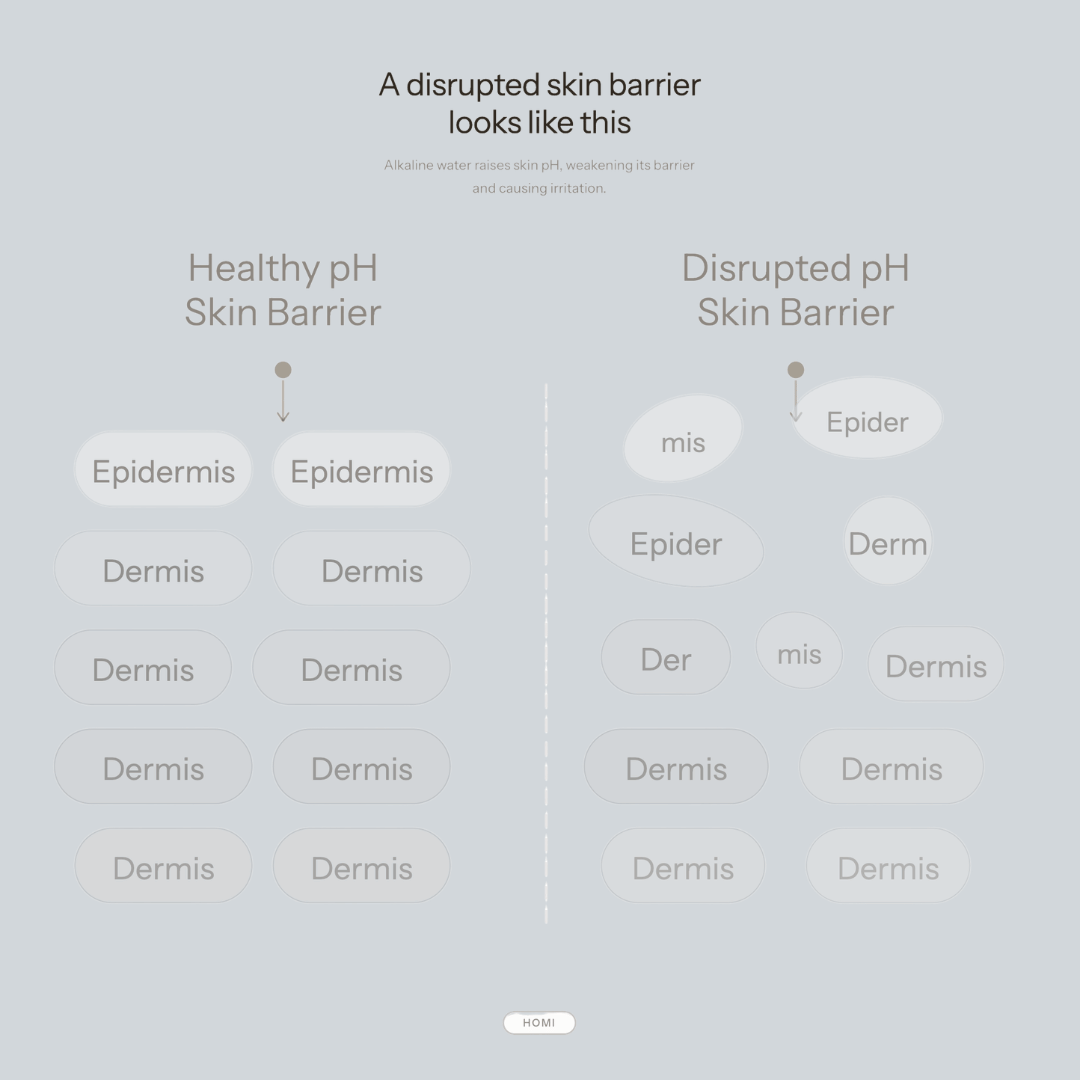
"Heavy metals in water - The silent killer."
When metals interact with the oils on your skin, they alter the skin's surface chemistry, causing acne, dryness, and inflammation and dermatologists note that people who move cities or travel often notice sudden skin reactions precisely because their new water supply carries a different mineral and metal profile.


Questions?
How does unfiltered water impact the skin barrier?
Unfiltered water can contain minerals, mainly calcium and magnesium, and sometimes trace metals like iron or copper. When water contains such minerals, it doesn’t properly dissolve soap, meaning that there can be some residue left on the skin. This can contribute to sensitive, irritable and blemish-prone skin.
Is there clinical evidence linking hard water and chlorine to eczema or dry, irritated skin?
Yes, previous studies in the UK, Spain and Japan have shown associations between domestic water hardness and the risk of eczema.
Dermatology organisations like the AAD (American Academy of Dermatology) and BAD (British Association of Dermatologists) acknowledge that hard water may worsen or contribute to eczema.
Is filtering water a good approach for ensuring skin health?
Filtering water, especially for the shower, is definitely becoming a popular and dermatology-approved strategy for sensitive skin, eczema, and dryness. It helps to remove chlorine, reduce heavy metals.
How does chlorine affect the skin and hair?
Chlorine is a skin irritant that strips natural oils, disrupts the barrier, and accelerates trans-epidermal water loss. It can affect the skin’s pH, which makes it more susceptible to irritation and disruption of the skin microbiome. It also damages hair structure, making it more porous, more brittle, and more likely to fade, especially after colour treatments. Combined with heat, UV, and flights, it’s the perfect storm for barrier breakdown.
How can people protect their skin from chlorine and unfiltered water in a tropical country?
Heat accelerates water loss from skin (TEWL), and when combined with chlorine’s drying effects, it can cause intense dehydration and flakiness. Chlorine strips away protective oils, making skin more vulnerable to inflammation, and combined with oxidative stress from UV rays accelerates photo-ageing. Sweat, sunscreen, and sebum can mix with chlorine and other pool chemicals which can potentially clog pores and lead to breakouts or sensitivity.
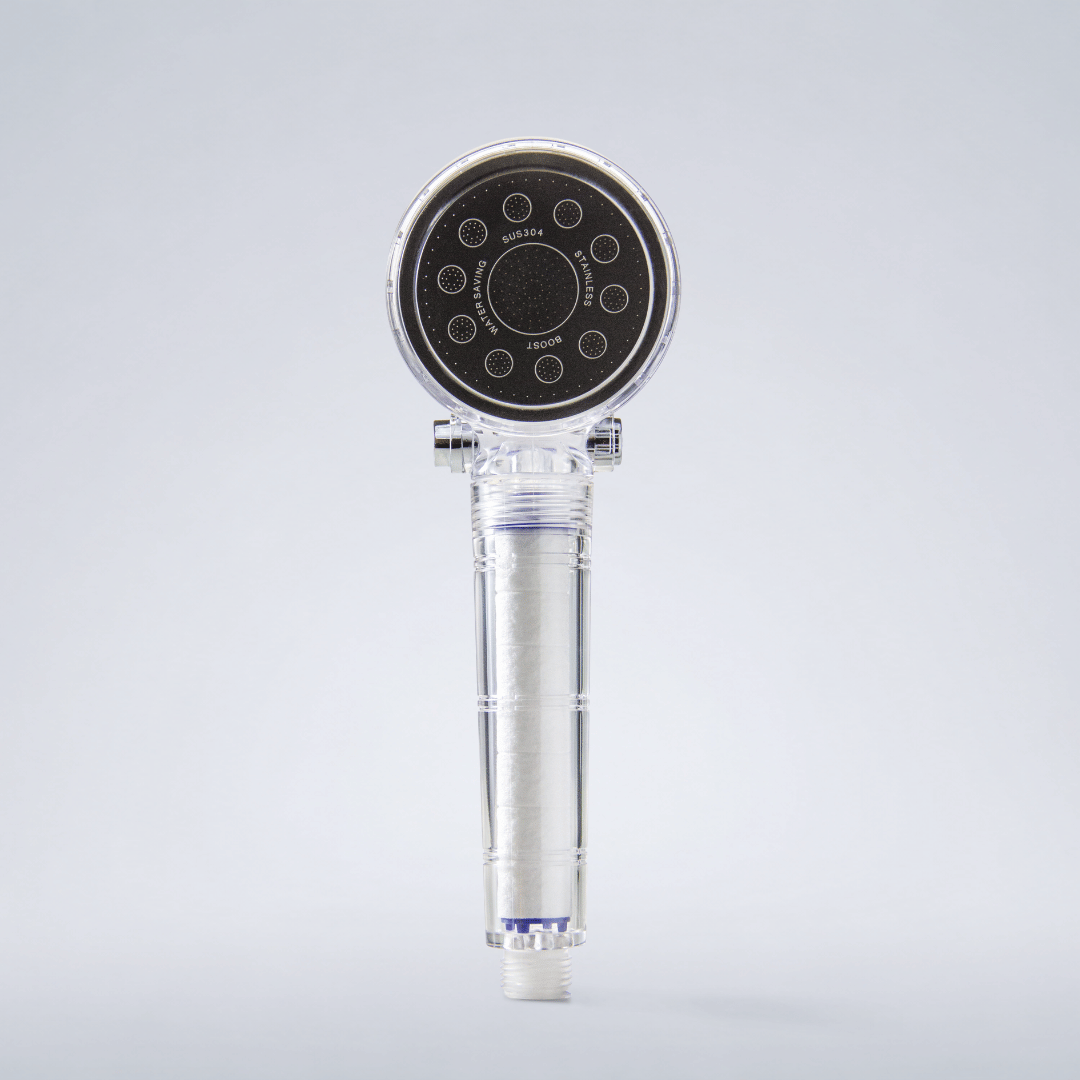
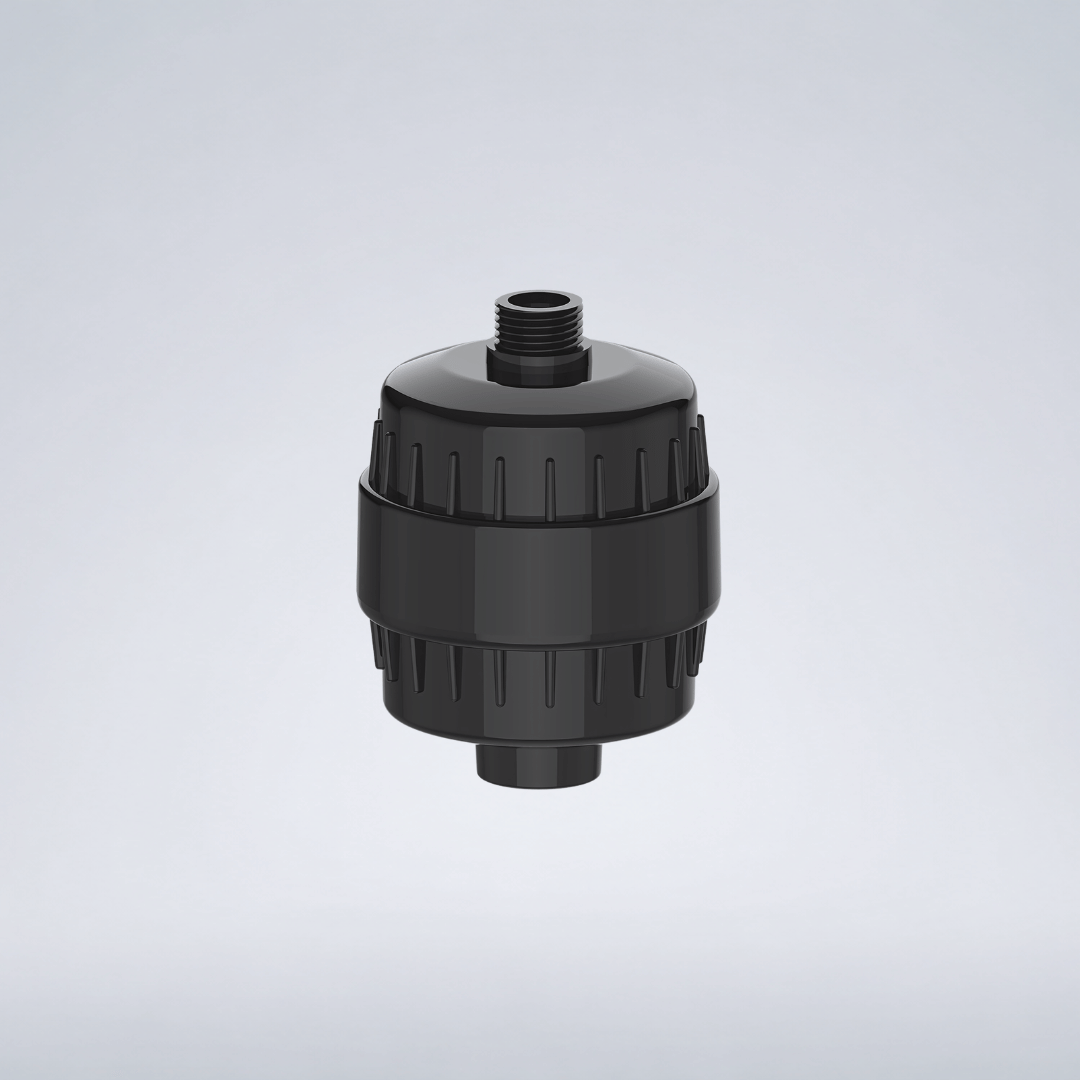
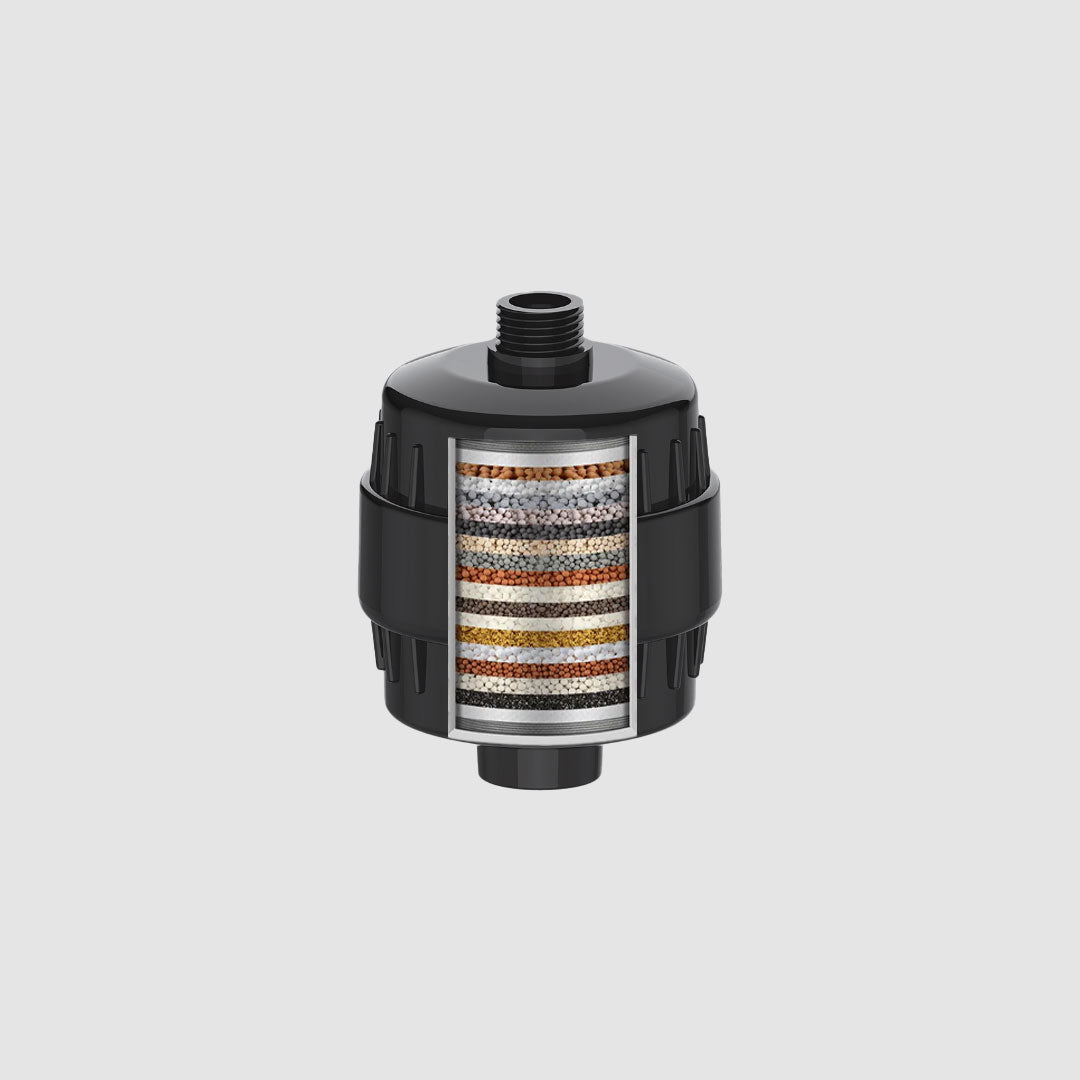
A high-quality shower filter, like those from Homi, offers a simple but highly effective solution. It removes chlorine, heavy metals and hard water minerals that strip the skin and hair, helps rebalance the skin’s pH and reduces inflammation and flareups, and preserves the natural lipid barrier.